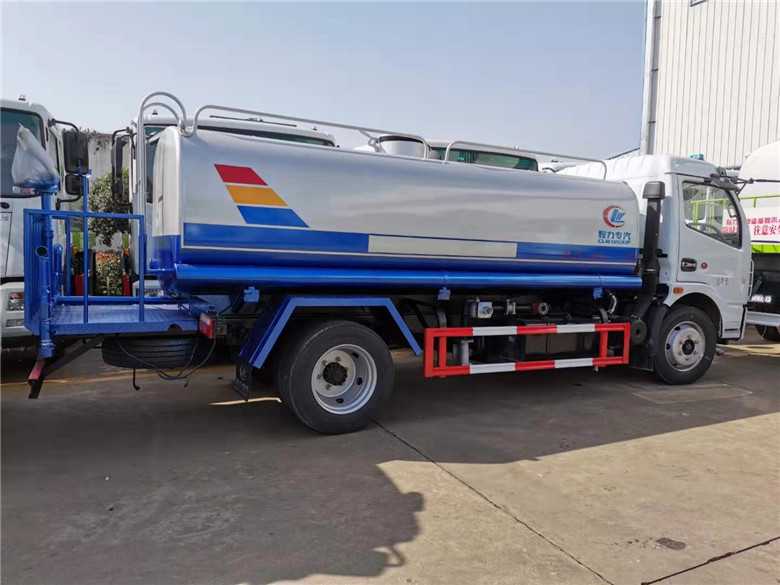
Tank material is the foundation of garbage truck durability and export market success—choose the right one, and your truck performs for years; choose wrong, and you face costly repairs and downtime in harsh environments.
1. Why Tank Material Matters for Export Garbage Trucks
Tank material directly impacts your garbage truck’s performance and lifespan. The wrong choice in a harsh environment leads to rust, cracks, and premature failure—costing you tens of thousands in repairs and downtime. Let’s explore why this decision is critical before you place your first export order. Unlike outdated garbage truck designs from the 1980s that relied on simple carbon steel without protective systems, modern export garbage trucks demand smarter material strategies to handle extreme environments.
1.1 How Tank Material Affects Truck Lifespan
Tank material is everything. It determines whether your truck survives 5 years or 10 years in the field. Different export regions have brutal conditions—Middle East deserts hit 50°C+ with intense UV exposure; Southeast Asian tropics bring constant humidity and salt air corrosion.
Pick the wrong material, and you’re looking at structural damage within 18–24 months. Pick the right one, and your truck keeps running reliably year after year. That’s the difference between a profitable investment and a financial disaster.
Understanding this link upfront helps overseas buyers avoid costly mistakes and plan their fleet investments smartly. Modern garbage truck technology has evolved dramatically since those early generations when basic steel was considered sufficient—today’s export markets demand precision material engineering.
1.2 Why Overseas Markets Need Customized Material Solutions
Export customers don’t operate in standard conditions. A garbage truck built for mild climates performs completely differently than one designed for extreme environments. One-size-fits-all solutions don’t work—you need customized material selection based on where the truck actually operates.
Your job is to understand regional environmental challenges before your customer buys. A Southeast Asian operator running trucks in tropical, high-humidity conditions needs different protection than a Middle Eastern fleet managing desert heat and dust exposure.
Material customization ensures your garbage truck actually delivers performance, not failure, in local conditions. This approach significantly reduces total ownership cost over the vehicle’s lifetime by preventing premature failure and excessive maintenance.
2. Carbon Steel vs. Stainless Steel: Technical Comparison for Export Markets
Now let’s dig into the two main options. Both have real advantages—understanding the trade-offs helps you recommend the right solution for each customer’s situation. The material decision directly impacts your final cost calculation for each truck.
2.1 Carbon Steel: Strength, Reliability, and Cost Efficiency
Carbon steel is your workhorse material. It delivers solid strength, good corrosion resistance, and proven reliability across thousands of deployed trucks. The cost is significantly lower than stainless steel—typically 25–35% less for the same tank capacity. While older designs relied on basic carbon steel without modern protective coatings, today’s export-grade carbon steel comes with advanced anti-corrosion systems that extend lifespan significantly.
This makes carbon steel the default choice for Southeast Asian markets where budget matters. Buyers get a dependable truck without the stainless steel price tag. However, carbon steel requires regular maintenance in humid environments and needs to meet your target country’s COC certification standards before export.
Key specs for carbon steel options:
Tank capacity: 8,000L to 25,000L standard sizes
Compression ratio: Adjustable based on waste type
Unloading options: Hydraulic tailgate, side-loader, rear-loader configurations
Typical lifespan: 5–7 years with proper maintenance in moderate climates
Price range (FOB Shenzhen): $45,000–$55,000
You’ll need product quality certificates and material test reports for COC certification approval.
2.2 Stainless Steel: Extreme Environment Protection
Stainless steel is your premium choice for harsh climates. It handles extreme heat, intense humidity, and chemical corrosion where carbon steel deteriorates rapidly. Middle East and Africa markets operate in these brutal conditions—stainless steel is often the only practical option.
304-grade stainless steel offers the best cost-to-performance balance for export applications. It resists chloride corrosion (salt air), maintains structural integrity at high temperatures, and requires minimal maintenance compared to carbon steel. The higher upfront truck price reflects this durability—you’re investing in long-term performance, not just initial affordability.
The tradeoff? Stainless steel costs 30–40% more upfront. But over 8–10 years of operation in extreme climates, total ownership cost often favors stainless steel because maintenance and repair costs stay low.
Key specs for stainless steel options:
Tank capacity: 10,000L to 30,000L
Material grade: 304 stainless steel (recommended for export)
Compression ratio: Same flexibility as carbon steel
Typical lifespan: 8–12 years in extreme environments
Maintenance: Minimal; designed for harsh conditions
Price range (FOB Shenzhen): $65,000–$80,000
Stainless steel also meets stringent European and Middle Eastern material specifications for imported heavy equipment.
2.3 Material Selection Logic: Climate, Runtime, and Total Cost
Your material choice comes down to three factors: climate conditions, expected runtime, and total lifecycle cost over the vehicle’s lifetime.
Climate is decision #1. High heat + high humidity = stainless steel. Moderate climates with regular maintenance = carbon steel works fine. If your customer operates in desert conditions or tropical salt-air environments, stainless steel eliminates future problems.
Runtime expectations matter. If the truck runs 24/7 year-round, stainless steel’s durability justifies the premium cost. If it runs part-time with regular downtime for maintenance, carbon steel becomes more cost-effective.
Total cost of ownership wins. Calculate five-year and 10-year costs including purchase price, maintenance, repairs, and downtime losses. In harsh climates, stainless steel almost always costs less over time despite higher upfront investment. In moderate climates, carbon steel usually wins financially.
3. Key Compliance and Practical Considerations
Material choice doesn’t end at technical specs. Certification, documentation, logistics—these all connect to your tank material decision. Miss these details, and your shipment sits in port while customs holds your truck. Understanding the full financial picture includes factoring in certification timelines and potential delays.
3.1 COC and CE Certification Requirements by Material Type
Different materials require different certification pathways, and this directly affects your export timeline and total project cost.
COC Certification (Southeast Asia, Middle East, Africa)
COC stands for Certificate of Conformity. It’s mandatory for exporting garbage trucks to most developing markets. The process typically takes 4–6 weeks and requires:
Product quality certificate
Material composition test report (especially important for stainless steel)
Product origin certificate
Factory inspection documentation
Carbon steel trucks move through COC approval faster because the material specs are standard. Stainless steel requires additional metallurgical testing to verify 304-grade composition, adding 1–2 weeks to approval and increasing certification costs.
CE Certification (European Markets)
European buyers demand CE certification, which requires different documentation than COC. Material specifications must comply with EU heavy equipment standards. Stainless steel meets these requirements naturally; carbon steel needs additional corrosion-resistant coating documentation.
CE approval typically takes 8–12 weeks and involves third-party testing labs. Plan accordingly if you’re targeting European buyers. This extended timeline affects your cash flow and pricing strategy through longer working capital cycles.
Planning tip: Start certification applications immediately after order confirmation. Material choice determines certification type and timeline, so communicate this to customers upfront.
3.2 Essential Documentation: Product Certificates, Material Test Reports, Origin Certificates
You can’t move a garbage truck across borders without proper paperwork. Period. The specific documents depend on tank material and destination country, but here’s what every export shipment needs. Proper documentation preparation is crucial to managing overall costs efficiently and avoiding expensive delays.
Universal documentation (all materials, all markets):
Product quality certificate from manufacturer
Bill of lading (shipping document)
Commercial invoice with material specifications
Packing list with weight and dimensions
Certificate of origin
Material-specific documentation:
For carbon steel trucks:
Steel composition test report (carbon content, iron, minor elements)
Surface treatment/coating specifications
For stainless steel trucks:
304-grade stainless steel certification (critical—customs verifies this)
Chromium and nickel content analysis
Corrosion resistance test results
Heat treatment documentation
COC/CE certification documents:
Approved COC certificate or CE mark documentation
Factory inspection report
Product liability insurance certificate
Pro tip: Missing or incomplete material test reports cause most customs delays. Allocate 2–3 weeks just for document preparation. Stainless steel documentation takes longer because it requires more detailed metallurgical analysis.
3.3 Lifecycle Cost Analysis: Carbon Steel vs. Stainless Steel Comparison
Here’s where the real decision happens. Let’s put numbers on total ownership cost so customers see the full picture instead of only looking at purchase price.
Quick Reference Table: 10-Year Total Ownership Cost Comparison
Cost Category | Carbon Steel Truck | Stainless Steel Truck | Notes |
|---|---|---|---|
Purchase Price (FOB SZ) | $45,000–$55,000 | $65,000–$80,000 | Stainless steel 30–40% premium |
Annual Maintenance | $2,500–$3,500 | $800–$1,200 | Carbon steel needs regular protective coating |
Major Repairs (per incident) | $5,000–$8,000 | $1,500–$2,500 | Stainless steel deteriorates slower |
Expected Repairs (10 yrs) | 3–4 incidents = $15K–32K | 0–1 incident = $1.5K–2.5K | Assumes harsh export environment |
Downtime Costs | $8,000–$12,000 | $2,000–$4,000 | Stainless steel = fewer breakdowns |
Resale Value (after 10 yrs) | $8,000–$12,000 | $25,000–$35,000 | Stainless holds value |
TOTAL 10-YEAR COST | $74,500–$95,500 | $68,800–$86,200 | Stainless often wins in harsh climates |
In moderate climates: carbon steel typically costs 15–20% less over 10 years.
In harsh climates (Middle East, Africa, tropical regions): stainless steel often ends up 10–15% cheaper once you factor in downtime, repairs, and resale value. Modern fleet cost management requires understanding these long-term implications rather than focusing only on upfront purchase price.
The table above assumes a harsh export environment (high heat, humidity, or salt exposure). Adjust maintenance costs downward if your customer operates in mild climates.
3.4 Shipping, Container Handling, and Customs Paperwork Differences
Tank material affects everything in logistics—how you pack the truck, container selection, and how long customs takes to clear your shipment. These factors significantly impact the final delivered price to the customer.
Container Selection & Packing
Carbon steel trucks:
Standard 40-foot high cube container (standard packing method)
Typical weight: 18–22 tons
Packing time: 2–3 days
No special securing requirements
Ocean freight: $2,500–$3,500
Stainless steel trucks:
Often require reinforced 40-foot container due to higher vehicle weight
Typical weight: 24–28 tons
Packing time: 3–4 days (needs specialized securing)
Requires additional heavy-duty lashing and anti-corrosion wrapping
Ocean freight: $3,500–$4,500
Stainless steel adds roughly 20–30% to shipping costs because containers need reinforcement and specialized handling. Budget accordingly when quoting FOB prices.
Customs Clearance Timeline
Carbon steel (COC markets):
Document review: 3–5 days
Physical inspection: 1–2 days (random samples)
Total customs clearance: 5–10 days
Stainless steel (COC markets):
Document review: 5–7 days (metallurgical specs require verification)
Physical inspection: 2–3 days (often checked for material composition)
Laboratory analysis: 3–5 days (some countries require independent testing)
Total customs clearance: 12–20 days
Shipping timeline from Shenzhen (typical FOB delivery):
Carbon steel truck: Order to delivery = 25–30 days (production 10–12 days + shipping 15–18 days)
Stainless steel truck: Order to delivery = 35–45 days (production 14–18 days + shipping 15–18 days + extended customs review)
Key action: Build this timeline into customer quotes. Stainless steel normally takes 1–2 weeks longer from factory to final destination.
4. Market-Specific Strategies and Next Steps
Different regions demand different approaches. Let’s break down region-specific strategies so you can position the right solution for each market segment and optimize long-term cost of ownership for each geography.
4.1 Middle East & Africa: Push Stainless Steel Solutions
Middle Eastern and African markets operate in unforgiving climates. Desert heat, salt-laden air, inconsistent maintenance infrastructure—these conditions destroy carbon steel trucks rapidly. Stainless steel isn’t a luxury here; it’s the practical choice, especially when customers understand the true 10-year cost picture.
Why stainless steel wins in Middle East/Africa:
Extreme heat (40–55°C): stainless steel resists thermal stress
Salt air (coastal regions): 304-grade stainless prevents chloride corrosion
Limited maintenance infrastructure: stainless steel needs minimal servicing
Long operating hours: 24/7 operation favors durability over low upfront price
Lower total cost over time: reduced repairs and maintenance
Customer positioning: present stainless steel as a long-term investment, not just an expense. Show customers the total cost comparison (see Section 3.3 table). Highlight resale value—a 10-year-old stainless steel truck still commands $25K–35K on the used market, while a carbon steel truck drops to $8K–12K. This helps justify the higher initial price.
Marketing angles for Middle East:
Durability: “Built for extreme heat and desert conditions”
ROI: “Lower maintenance costs save you money over 10 years”
Reliability: “Minimal downtime = continuous revenue”
Resale: “Strong used equipment market for premium stainless steel trucks”
Financial advantage: “Higher upfront investment, lower total ownership cost”
Certification path: COC certification takes 4–6 weeks. Start the material testing process immediately after order confirmation. Many Middle Eastern buyers expect trucks to arrive within 8–10 weeks, so don’t delay documentation. Factor this timeline into your pricing and working capital planning.
4.2 Southeast Asia: Lead with Carbon Steel + Anti-Corrosion Coating
Southeast Asian markets prioritize upfront affordability. Buyers operate on tight budgets and want the lowest possible entry price. Carbon steel + specialized anti-corrosion coating hits this sweet spot—delivers durability without the stainless steel price tag.
Why carbon steel works in Southeast Asia:
Cost-sensitive markets: carbon steel is 30–35% cheaper
Tropical humidity (high but not extreme): protective coating handles moisture
Regular maintenance culture: operators maintain equipment diligently
Parts availability: carbon steel parts/service widely available regionally
The coating advantage: high-quality epoxy or polyurethane coating on carbon steel provides 5–7 years of protection in tropical climates. Combined with regular maintenance (annual inspection, touch-up coating), carbon steel tanks perform reliably without premium material costs. This approach dramatically reduces upfront investment per unit while maintaining performance.
Customer positioning: lead with affordability, not as a limitation, but as smart financial management. “Get 5–7 years of reliable performance at roughly 30% lower entry cost. Reinvest the savings into fleet expansion.” This message resonates better than focusing on material limitations.
Marketing angles for Southeast Asia:
Value: “Premium performance at practical pricing”
Affordability: “Lower upfront cost doesn’t mean lower quality”
Practicality: “Proven reliability in tropical environments”
Maintenance: “Easy maintenance with available local parts”
Expansion: “Lower cost per unit lets you grow your fleet faster”
Certification path: COC approval runs 4–6 weeks. The protective coating documentation is standard and moves quickly. Most Southeast Asian customers expect 6–8 week delivery windows. Plan production and documentation so your quoted delivery and pricing remain accurate.
4.3 Create Material Compliance Checklist and Certification Guides
Overseas buyers navigate complex export regulations. Position your company as the trusted guide by creating simple, downloadable compliance checklists and certification guides that help them understand how material choices affect timelines and budget.
What to include:
1. Material Compliance Checklist (by destination country):
Saudi Arabia: material specs, COC requirements, inspection procedures, cost implications
UAE: specific technical standards, testing requirements, impact on price and timing
Thailand: environmental regulations, local certification needs, documentation work
Vietnam: import procedures, documentation timeline, budget allocation for compliance
2. Certification Timeline Guide (with cost impact):
Week 1–2: document preparation and submission
Week 3–4: factory inspection and material testing
Week 5–6: certification approval
Week 7–8: shipping and customs clearance
Explain how extended timelines increase working capital requirements and why that matters for pricing.
3. Documentation Checklist:
Product quality certificate ✓
Material composition test report ✓
Origin certificate ✓
COC/CE certification ✓
Insurance documentation ✓
Make these guides downloadable PDFs, not buried in web pages. Buyers bookmark practical resources. You become the go-to expert in their purchasing process and long-term cost planning.
4.4 Publish Material Selection Guides for Customer Education
Create simple, practical guides that help overseas buyers make confident decisions and see the full financial picture clearly. Use natural, straightforward language—avoid unnecessary jargon when plain English works better.
Guide 1: “Tank Material Guide for Export Waste Management Trucks”
When to choose carbon steel (moderate climates, budget-sensitive markets, lower upfront spending)
When to choose stainless steel (extreme heat, salt exposure, high-volume 24/7 operation, long-term savings focus)
Total cost calculation tool (interactive if possible)
Regional recommendation map with rough cost estimates
Guide 2: “Corrosion Protection: Material Selection for Tropical and Desert Environments”
Tropical climate challenges (humidity, salt air, chemical exposure)
Desert climate challenges (extreme heat, UV exposure, dust, maintenance constraints)
Material performance comparison in each environment
Maintenance requirements by material type and long-term budget impact
Comparison to older garbage truck approaches that lacked modern protection
Guide 3: “COC Certification Process for Garbage Truck Exports”
Step-by-step certification timeline and cost factors
Required documentation
Common delays and how to avoid them
Typical approval timeline (4–6 weeks)
Budget planning for certification and handling
These guides establish authority, build trust, and guide buyers toward the right purchasing decisions. They’re also excellent SEO assets—guides naturally attract backlinks and generate organic traffic around key search terms related to export garbage trucks and lifecycle cost.
Conclusion: Make the Right Material Choice for Your Export Market
Tank material selection isn’t complicated once you understand the trade-offs and their long-term financial impact. Carbon steel delivers reliability and cost-effectiveness in moderate climates. Stainless steel provides durability and a lower 10-year cost in harsh environments. The right choice depends on your specific market, climate, and operational demands.
Here’s your action plan:
Identify your customer’s climate reality.
Hot + humid or salty = stainless steel. Moderate climates = carbon steel is usually enough. Get specific about temperature ranges, humidity levels, and salt exposure before you estimate total cost.Calculate total ownership cost over 10 years.
Use the comparison table in Section 3.3. Show customers the complete financial picture, not just upfront price. This shifts the conversation from “How much does the truck cost today?” to “What is the real value over its lifetime?”Plan your certification timeline.
Material choice determines whether you need COC or CE certification. Start applications immediately after order confirmation. Build 4–6 weeks into your project plan and factor certification costs into your quotations.Build region-specific landing pages.
Separate pages for Middle East, Southeast Asia, and other markets rank better in search and convert better with local buyers who look for information specific to their climate and regulations.Create material selection guides.
Position your company as the trusted export expert. Buyers prefer suppliers who educate them, not just push products. Good guides help demystify cost structures and build long-term relationships.
Ready to get started?
Contact our export specialists today. We help garbage truck buyers choose the right material for their climate, navigate certification requirements, control lifecycle costs, and deliver trucks on schedule. Your success is our success.